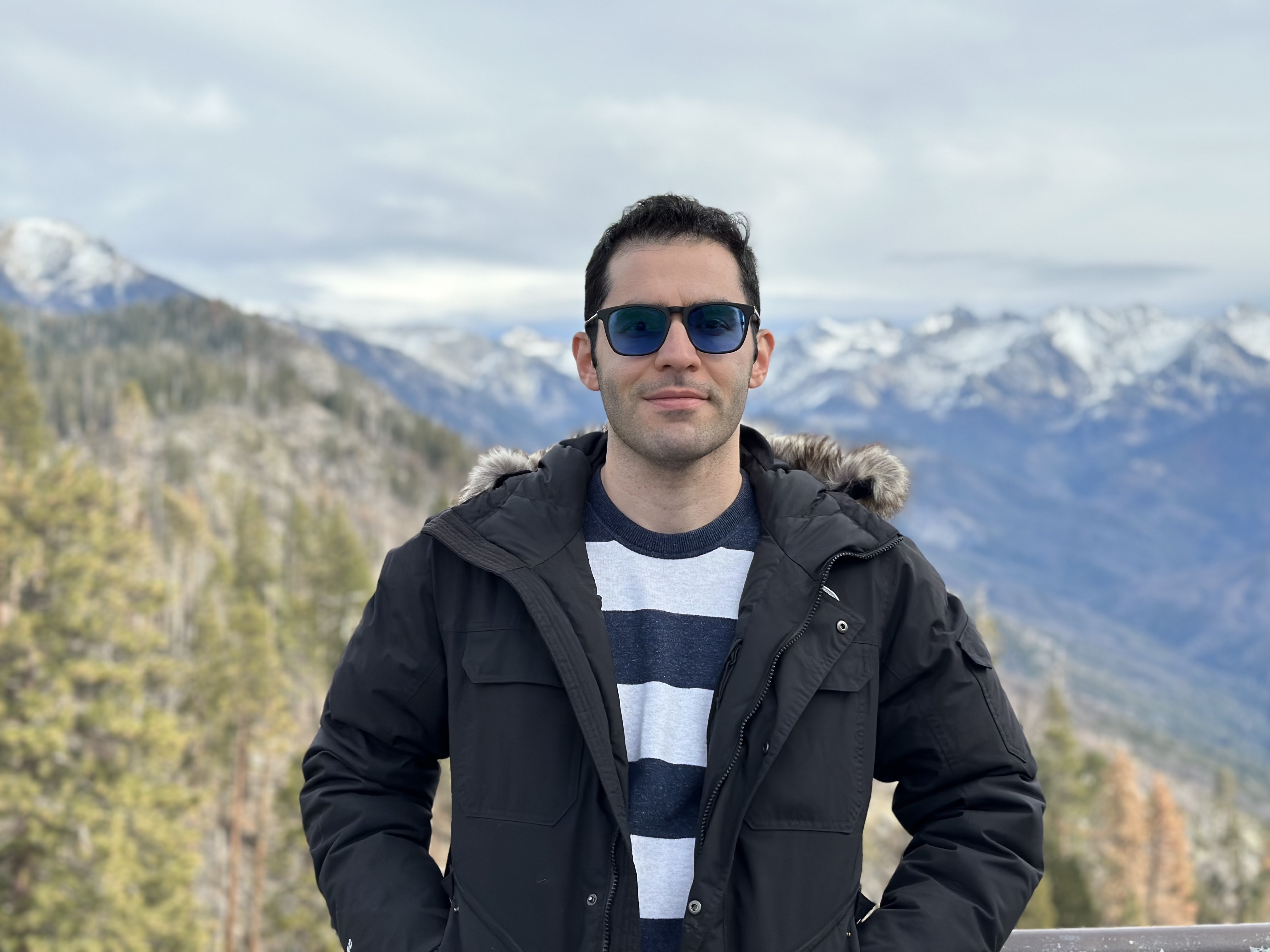


About
Background
I hold a PhD in Computational Physics and a Master's degree in Computer Science. I enjoy working on machine learning, statistical modeling, large-scale data pipelines, and research problems that connect theory with real-world impact.
Interests
I am especially interested in data science, machine learning engineering, and research-driven roles where I can combine technical depth with practical decision-making.
Experience

Member of the Auto R&D team developing modeling infrastructure and analytics workflows supporting state-of-the-art telematics products. I work on large-scale data pipelines and machine learning systems used to improve driver scoring, pricing insights, and experimentation across auto insurance applications.

Worked on telematics analytics within the Auto R&D team, supporting modeling workflows using large-scale GPS driving data. Contributed to developing spatial analysis pipelines for understanding regional driving patterns and improving experimentation around telematics-based scoring systems.

Conducted research within the CosmoLab at USC on statistical modeling and simulation of the 21-cm signal as a probe of early-universe physics. Led the development of forecasting pipelines to study dark matter–baryon interactions and related cosmological models as first author on multiple peer-reviewed publications, combining theory, numerical simulation, and large-scale inference methods.
Selected Projects
21-cm Cosmology and Dark Matter Forecasting
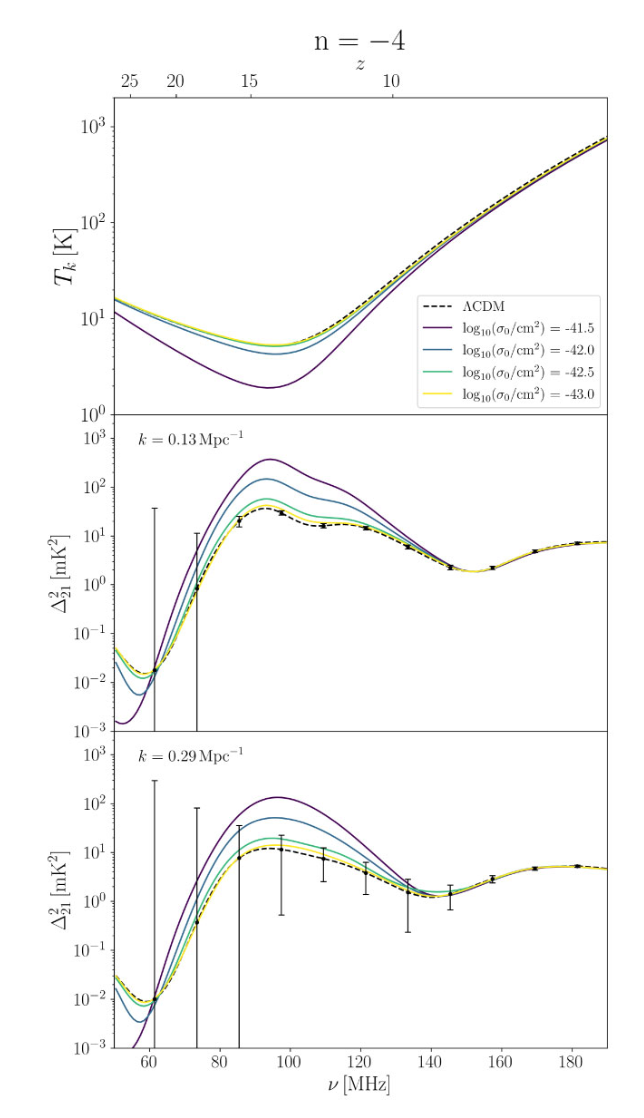
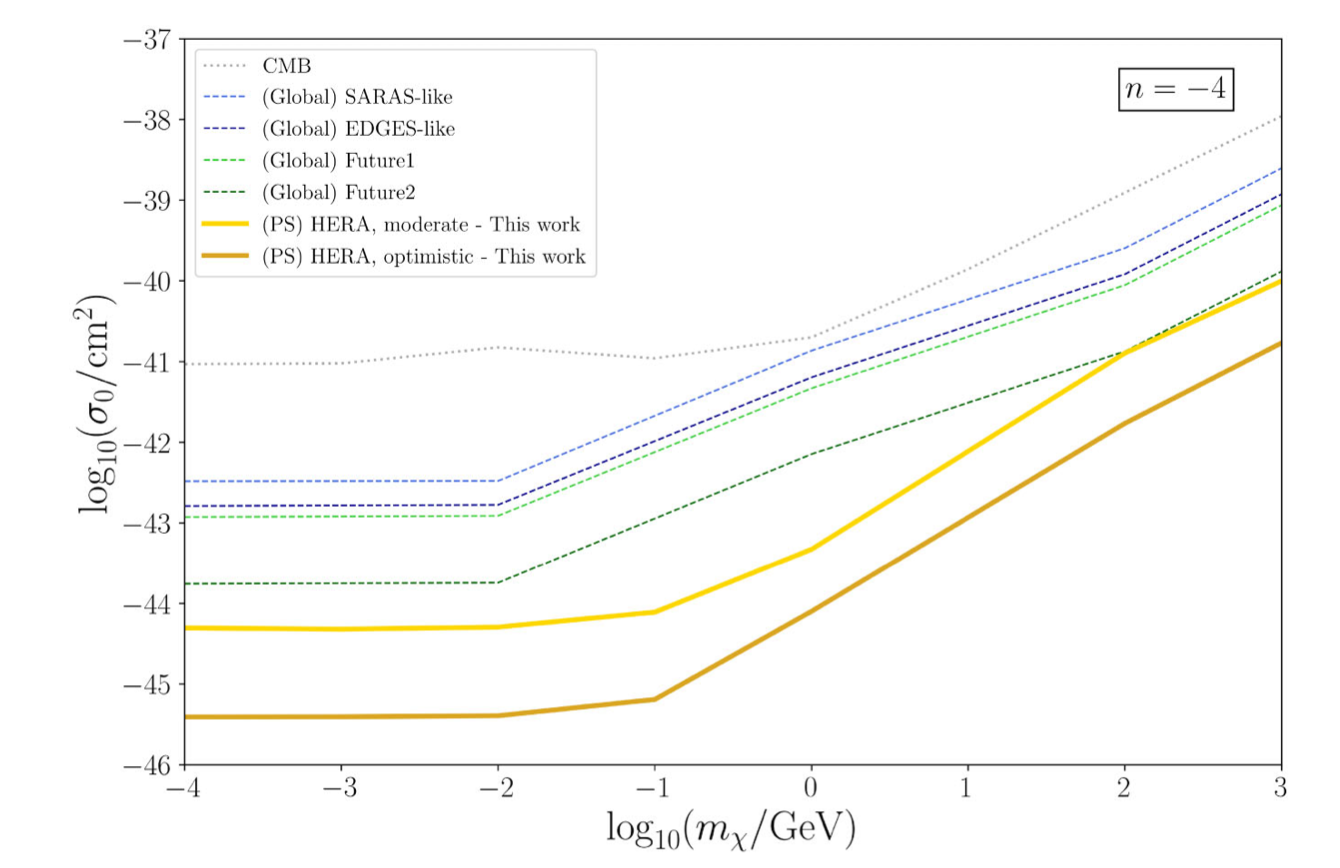
Developed forecasting methods to study the sensitivity of the global 21-cm signal and 21-cm power spectrum to dark matter baryon interactions.
Open-Domain Conversational QA with Topic Switching
Led a project on modeling GPT-based systems for conversational question answering while preserving topic switching behavior across dialogue turns.
Publications
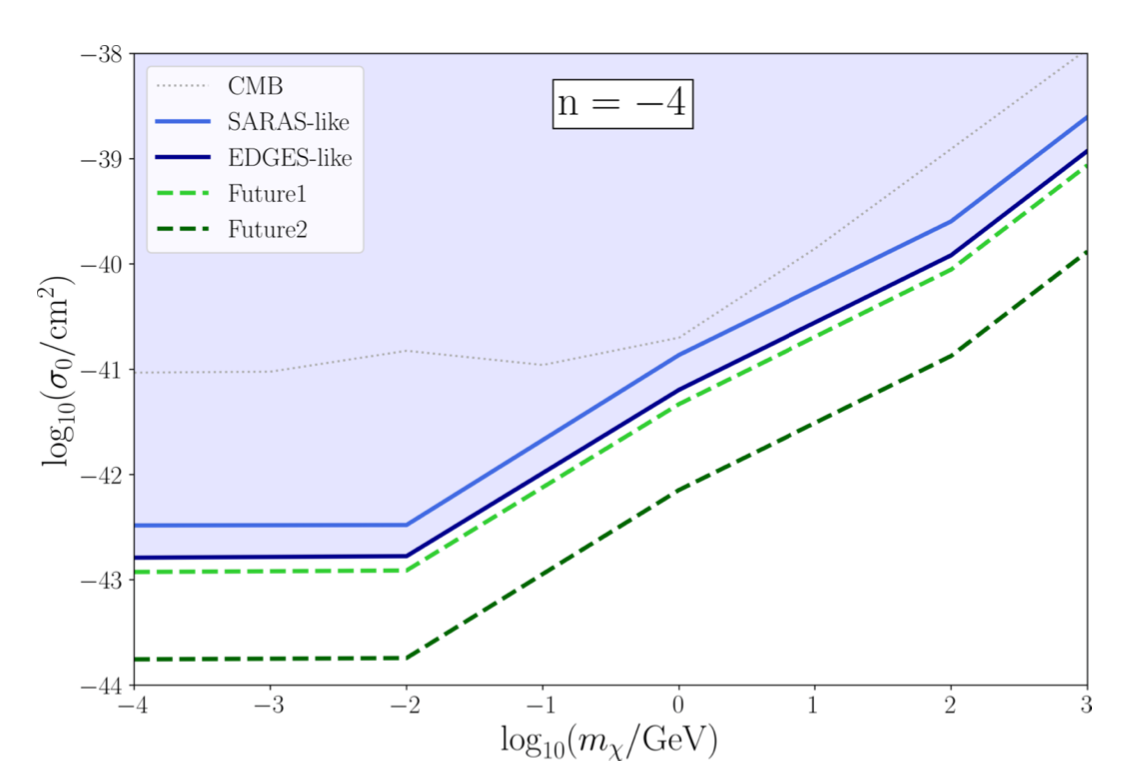
Sensitivity of the Global 21-cm Signal to Dark Matter–Baryon Scattering
Improved global 21-cm signal sensitivity forecasts for interacting dark matter models using Fisher-information-based parameter constraints.
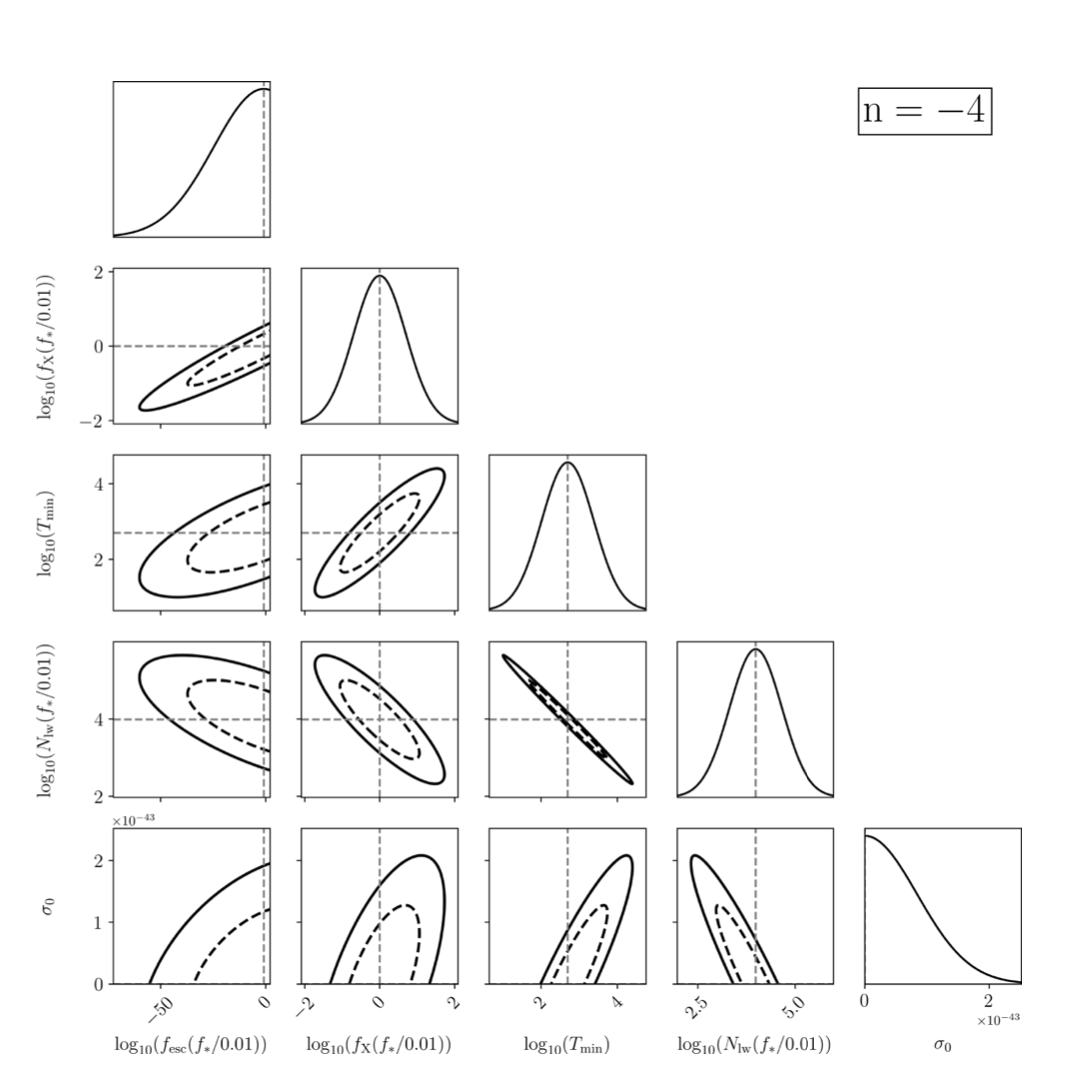
Forecasting 21-cm Power Spectrum Sensitivity to Dark Matter–Baryon Scattering
Forecasted sensitivity of future 21-cm power spectrum experiments to dark matter–baryon scattering cross sections using simulation-driven Fisher analyses.
Skills
Contact
The best way to reach me is by email at aryanrahimieh@gmail.com.
You can also find me on LinkedIn, GitHub, and Google Scholar.